
The Best Way to Lose Weight
Introduction: Understanding the Science of Weight Loss
Losing weight isn’t just about eating less—it’s about creating a lifestyle that promotes balance, energy, and strength. The internet is full of “quick fix” solutions, but most fail because they ignore how the body truly works.
At FitnessNutra, we believe the best way to lose weight combines smart nutrition, mindful exercise, and consistency. Whether you’re struggling with stubborn fat, facing chest pressure during exercise, or just wondering how to lose weight safely, this guide covers it all.
What Really Causes Weight Gain?
Before you can understand how to lose weight, it’s essential to identify why the weight came on in the first place.
1. Caloric Surplus
When you consume more calories than your body burns, the extra energy is stored as fat. Even healthy foods can contribute to weight gain if eaten in excess.
2. Hormonal Imbalance
Hormones like insulin, cortisol, and thyroid play a major role in how your body stores and burns fat. Poor sleep, stress, or skipping meals can disturb these hormones.
3. Sedentary Lifestyle
Desk jobs and screen time reduce daily calorie expenditure. Movement throughout the day—like walking, stretching, or even standing—helps maintain metabolism.
4. Emotional Eating
Stress and emotions often drive people to comfort foods that are high in sugar and fats, leading to unwanted weight gain.
The Best Way to Lose Weight: A 360° Approach
When people ask, “What’s the best way to lose weight?”, there’s no single magic formula. The truth is—it’s a combination of habits that work together to optimize fat loss while preserving muscle.
Let’s break it down:
1. Create a Calorie Deficit — But the Right Way
You lose weight when you burn more calories than you eat. But extreme deficits slow your metabolism and increase hunger.
Tip:
- Aim for a 500-calorie deficit per day for sustainable results (around 0.5–1 kg per week).
-
Use an app or wearable device to track calories and monitor your progress.
Pro Tip from FitnessNutra:
Never go below 1,200 calories for women or 1,500 for men unless supervised by a professional.
2. Prioritize Protein Intake
Protein helps build lean muscle, which in turn burns more calories—even at rest.
Good Protein Sources:
- Chicken breast, eggs, Greek yogurt, lentils, tofu, cottage cheese.
Rule of Thumb:
Eat 1.6–2.2g of protein per kg of body weight daily for optimal fat loss and muscle preservation.
3. Mix Cardio and Strength Training
Cardio burns calories, while strength training builds metabolism-supporting muscle.
Best Cardio Exercises for Weight Loss:
Running or brisk walking
HIIT (High-Intensity Interval Training)
Cycling or swimming
Best Strength Workouts:
Weightlifting
Bodyweight exercises (push-ups, squats, lunges)
Resistance band workouts
Weekly Target:
At least 150 minutes of moderate activity or 75 minutes of intense activity, plus 2 strength sessions.
4. Sleep: The Hidden Key to Fat Loss
Poor sleep increases cravings for carbs and sugar. It also disrupts metabolism and hormones like leptin and ghrelin, which regulate hunger.
Action Plan:
Sleep 7–9 hours per night.
Avoid blue light before bed.
Keep your room dark and cool.
5. Stay Hydrated
Dehydration slows fat burning and increases hunger. Sometimes thirst feels like hunger, leading to overeating.
Hydration Tips:
Drink 2–3 liters of water daily.
Add lemon or cucumber for flavor.
Limit sugary drinks and alcohol.
Understanding Chest Pressure During Exercise
Many people experience chest pressure during exercise, especially when starting a new workout program. It’s essential to differentiate between normal exertion and warning signs.
Normal Causes of Chest Pressure:
Increased heart rate and breathing demand.
Tight chest muscles or poor posture.
Shallow breathing during intense exercise.
Warning Signs (Seek Medical Advice Immediately):
Persistent or sharp pain in the chest or arm.
Dizziness or shortness of breath.
Pain radiating to neck, jaw, or back.
Meal Plan for Weight Loss (5-Day Sample)

Mindset and Motivation
Sustainable weight loss is 80% mindset and 20% strategy. Here’s how to stay consistent:
Set Realistic Goals: Aim for 1–2 pounds (0.5–1 kg) per week.
Track Progress: Use progress photos, not just scales.
Reward Yourself: Celebrate milestones (not with junk food!).
Stay Accountable: Join a fitness community or use a tracker app.
Common Mistakes to Avoid
Even with the best intentions, small mistakes can slow your progress.
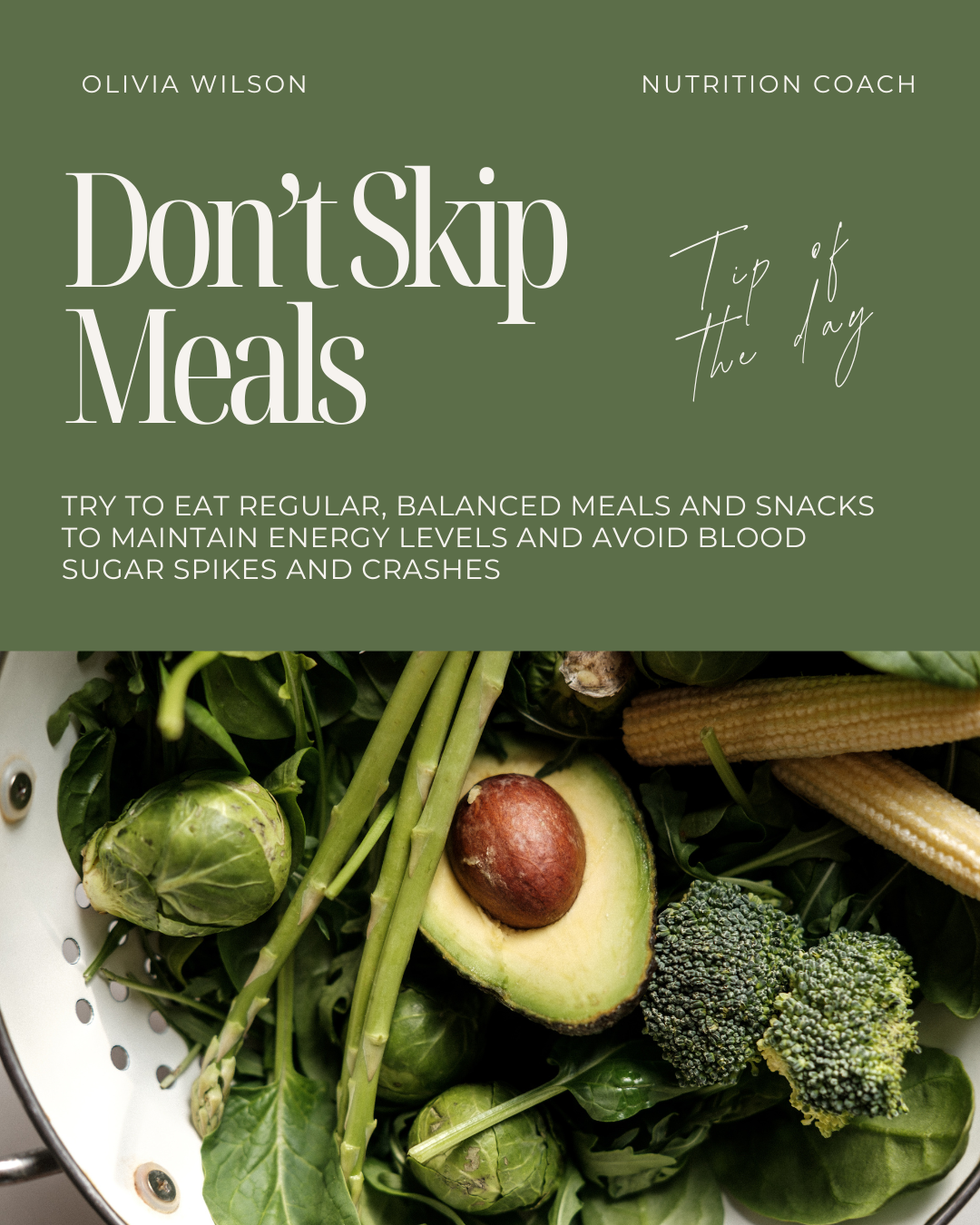
Skipping Meals: Slows metabolism and triggers overeating later.
Relying on Supplements: Real food > powders.
Ignoring Strength Training: You’ll lose muscle, not just fat.
Overtraining: Rest is part of the process—your body needs recovery.
Neglecting Mental Health: Stress can lead to binge eating and poor sleep.
Quick Tips to Accelerate Results
Try Intermittent Fasting (16:8 method) if it suits your schedule.
Eat more fiber (veggies, fruits, oats) to stay full longer.
Avoid late-night eating 2–3 hours before bed.
Do morning walks for an active metabolism boost.
Limit sugar and refined carbs.
When to Seek Professional Help
If you’re experiencing chest pressure during exercise, extreme fatigue, or your weight loss has stalled for months, consult a doctor or nutritionist. You might need personalized guidance or medical testing (thyroid, cortisol, or insulin resistance checks).
Conclusion: Your Journey with FitnessNutra
The best way to lose weight isn’t about restriction—it’s about balance, sustainability, and confidence. By combining a smart meal plan for weight loss, mindful exercise, and self-discipline, you can achieve lasting transformation.
At FitnessNutra, we’re here to guide you every step of the way—helping you stay fit, strong, and motivated for life.